
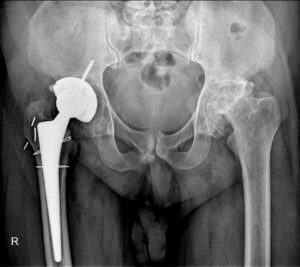
Hip replacement surgery involves replacing a damaged hip joint with an artificial piece that replaces the original. The goal of this surgery is to relieve pain, restore function, and improve mobility.
Choosing the right surgeon is essential for a successful outcome. This guide provides an overview of what happens during hip replacement surgery. We will also offer tips on finding the best surgeons in your area.
Before the Surgery
The first step is meeting with your orthopedic surgeon. They will review your medical history, check your symptoms, and ask what you experience and when you observe symptoms.
In addition, your doctor will look at imaging tests like X-rays or MRIs to decide if surgery is the right choice.
You might also talk to other healthcare workers, like anesthesiologists and physical therapists. This is all part of the process of planning your care before and after the surgery.
Preoperative instructions are critical to ensuring a successful surgery. Your surgeon may ask you to:
- Avoid certain medications, such as blood thinners, before the surgery.
- Undergo a health screening to identify any possible risks or complications.
- Make modifications to your home for easier mobility after the procedure. This may include installing grab bars or securing loose rugs.
Follow all preoperative guidelines closely. This way, you can reduce the risk of complications and improve recovery outcomes.
The Surgical Procedure
Hip replacement surgery generally takes one to two hours to complete. The procedure involves replacing the damaged parts of your hip joint with prosthetic components. These implants may be made of metal, ceramic, or high-grade plastic.
There are two types of hip replacement surgery:
Total Hip Replacement
This is the most common type of hip replacement surgery. Here, both the ball (femoral head) and the socket (acetabulum) of the hip joint are replaced.
Partial Hip Replacement
During this procedure, only the ball part is replaced, typically used for patients with specific conditions like a hip fracture.
After the Surgery
Recovery begins immediately after the procedure. You will be monitored in a recovery room for a few hours before being moved to a hospital room.
Most patients are discharged within one to three days, depending on their overall health and surgery type.
Pain management is a key part of postoperative care. Your hip orthopedic surgeon may prescribe medications to keep you comfortable.
Movement and light physical therapy often begin within hours of surgery. This is done to help you regain strength, flexibility, and mobility.
Recovery timelines can vary, but most people return to normal activities within three to six months.
Risks and Complications
Although hip replacement surgery is a highly successful procedure for most patients, it carries certain risks. These include infection, blood clots, joint stiffness, and implant failure.
Talk to your surgeon about these risks and what you can do to minimize them.
How to Find the Best Hip Replacement Surgeon Near You
Finding the right orthopedic surgeon is crucial for a successful hip replacement procedure. Here are some steps to help you locate a skilled surgeon in your area.
Research Credentials
Look for surgeons who are board-certified in orthopedic surgery. It is also important to find those who have specialized training in joint replacement procedures.
Board certification ensures that the surgeon has met high standards in their field. You can search for certified surgeons on medical boards and professional associations’ websites.
Consider Experience
Experience matters when it comes to orthopedic surgery. A surgeon who has performed numerous hip replacement procedures is more likely to deliver great results.
Ask the surgeon about their success rates and the number of surgeries they perform annually.
Read Patient Reviews
Online reviews and testimonials from other patients can tell you about a surgeon’s skills and bedside manner.
Look for consistent positive feedback regarding their expertise, communication, and post-surgery support.
Ask About Technology
Modern advancements in surgical technology can improve precision and outcomes. For example, there is robotic-assisted surgery.
Ask if the surgeon uses the latest techniques and equipment for hip replacement surgeries.
Verify Insurance Coverage
Ask if the surgeon and the hospital where the procedure will be performed are in-network with your insurance plan. This can help you avoid unexpected expenses.
Schedule a Consultation
Meeting with surgeons in person is the best way to assess their expertise and comfort level. Ask any questions you may have about your diagnosis and the procedure.
The best hip replacement surgeons will address all your questions with clarity and patience.
The Best Hip Pain Doctor in Bloomfield and Rocky Hill, CT, & Springfield, MA
Hip replacement surgery can be life-changing, helping you regain mobility and reduce pain. By knowing the procedure and choosing a skilled surgeon, you can set the stage for a successful recovery. Trust Advanced Orthopedics New England to guide you every step of the way. Our experienced team ensures your comfort, safety, and long-term well-being.
If you are ready to reclaim your mobility with hip replacement, contact us today. Call our Connecticut offices at (860) 728-6740 or our Massachusetts office at (413) 788-7321 to schedule a consultation.
We look forward to serving you!